
Pawsome Pals
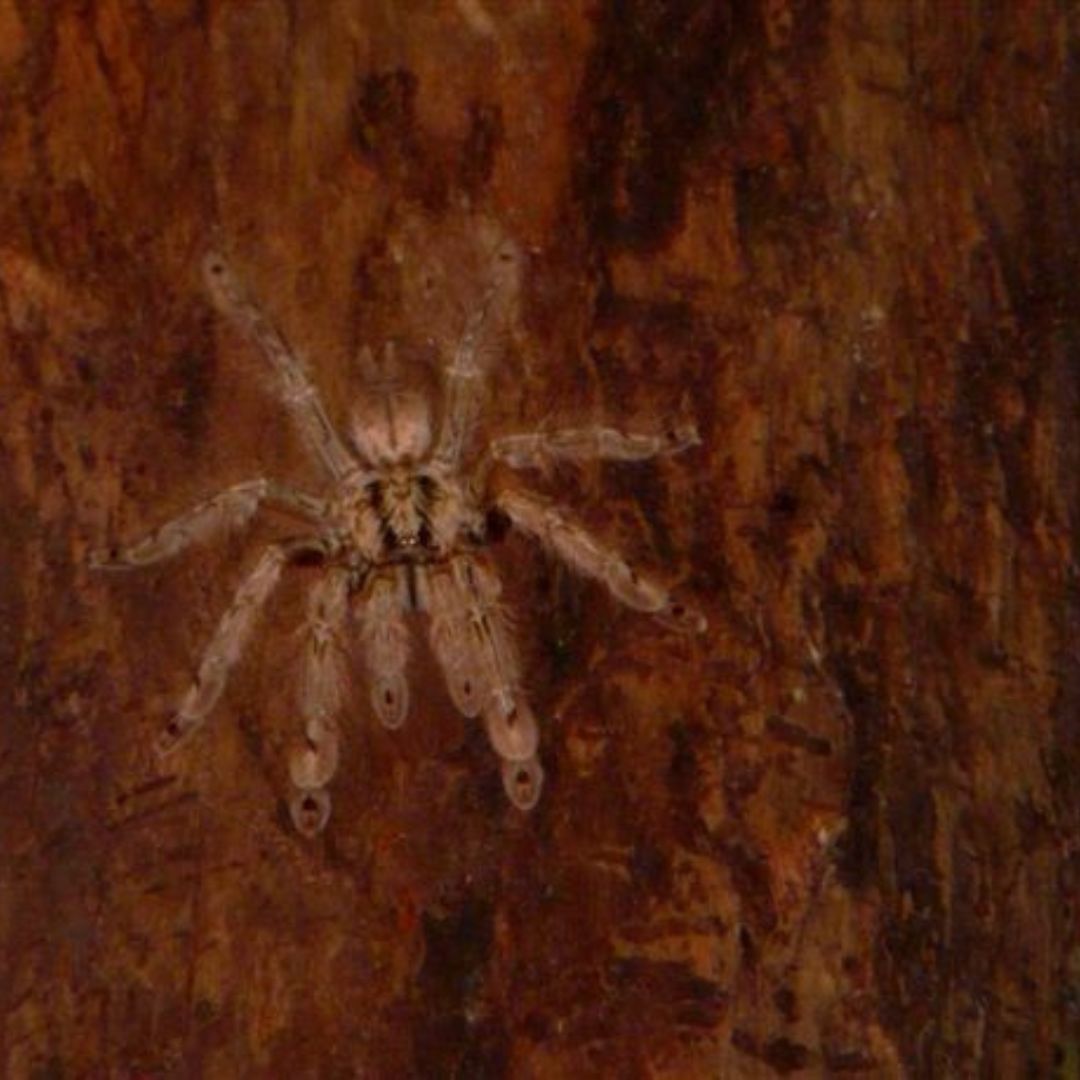
Stromatopelma Calceatum - Featherleg Tarantula (Sling)
Stromatopelma Calceatum - Featherleg Tarantula (Sling)
Couldn't load pickup availability
Stromatopelma calceatum (Featherleg Baboon Tarantula)
The Featherleg Baboon Tarantula is an iconic old-world arboreal species reserved for experienced keepers. Known for its ghostly white leg striping, lightning speed, and highly defensive temperament, Stromatopelma calceatum offers an actual high-risk, high-reward keeping experience.
This species builds dense web tunnels high in its enclosure and prefers to remain hidden until nightfall. When feeding, it delivers explosive ambush strikes, making it a thrilling—if nerve-wracking—addition to an advanced collection. Hardy once established, it rewards confident keepers who respect its speed and venom.
Best for: Serious tarantula enthusiasts and collectors
Experience Level
⚠️ Advanced / Expert Only
This species is extremely fast, highly defensive, and venomous. Not suitable for beginners or casual keepers. Strictly a look-don't-touch tarantula.
Enclosure & Setup
A true arboreal species that requires vertical space and absolute enclosure security.
-
Tall, well-ventilated arboreal enclosure
-
Secure, escape-proof design is critical
-
Vertical cork bark tube or deep hide (essential)
-
Plenty of anchor points for webbing
Substrate
Substrate helps regulate humidity but is not used for burrowing.
-
Depth: ±5–7 cm (2–3 inches)
-
Slightly moist, never wet
-
Add leaf litter or moss to retain humidity
Temperature & Humidity
Stable conditions are key for long-term success.
-
Temperature: 23–27°C (74–80°F)
-
Humidity: 65–75%
-
Light misting only—avoid soaking
-
Good airflow to prevent stagnant moisture
Feeding
An aggressive, ambush-style feeder with lightning-fast strikes.
-
Diet: Crickets, roaches, mealworms, occasional locusts
-
Spiderlings: Feed 2–3× per week
-
Juveniles: Weekly
-
Adults: Every 7–10 days
Temperament & Handling
Not a handling species under any circumstances.
-
Extremely fast and defensive
-
Medically significant old-world venom
-
Will bolt or strike when disturbed
-
Maintenance should be planned and minimal
Behaviour & Visibility
Primarily nocturnal and reclusive.
-
Builds dense web tunnels and elevated hideouts
-
Often hidden during the day
-
Most visible during feeding or late-night activity
Lifespan & Size
-
Adult size: 12–15 cm (5–6 inches) leg span
-
Females: 10–15 years
-
Males: 3–5 years
Important Care Notes
-
Always assume escape attempts during maintenance
-
Use long tools and work calmly
-
Never open an enclosure without a plan
-
Best left undisturbed once settled
Photo Credit: Simon Tonge, CC0, via Wikimedia Commons
Share