
Pawsome Pals
Nhandu coloratovillosus - Brazilian Black & White (Sling)
Nhandu coloratovillosus - Brazilian Black & White (Sling)
Couldn't load pickup availability
Brazilian Black & White Tarantula (Nhandu coloratovillosus)
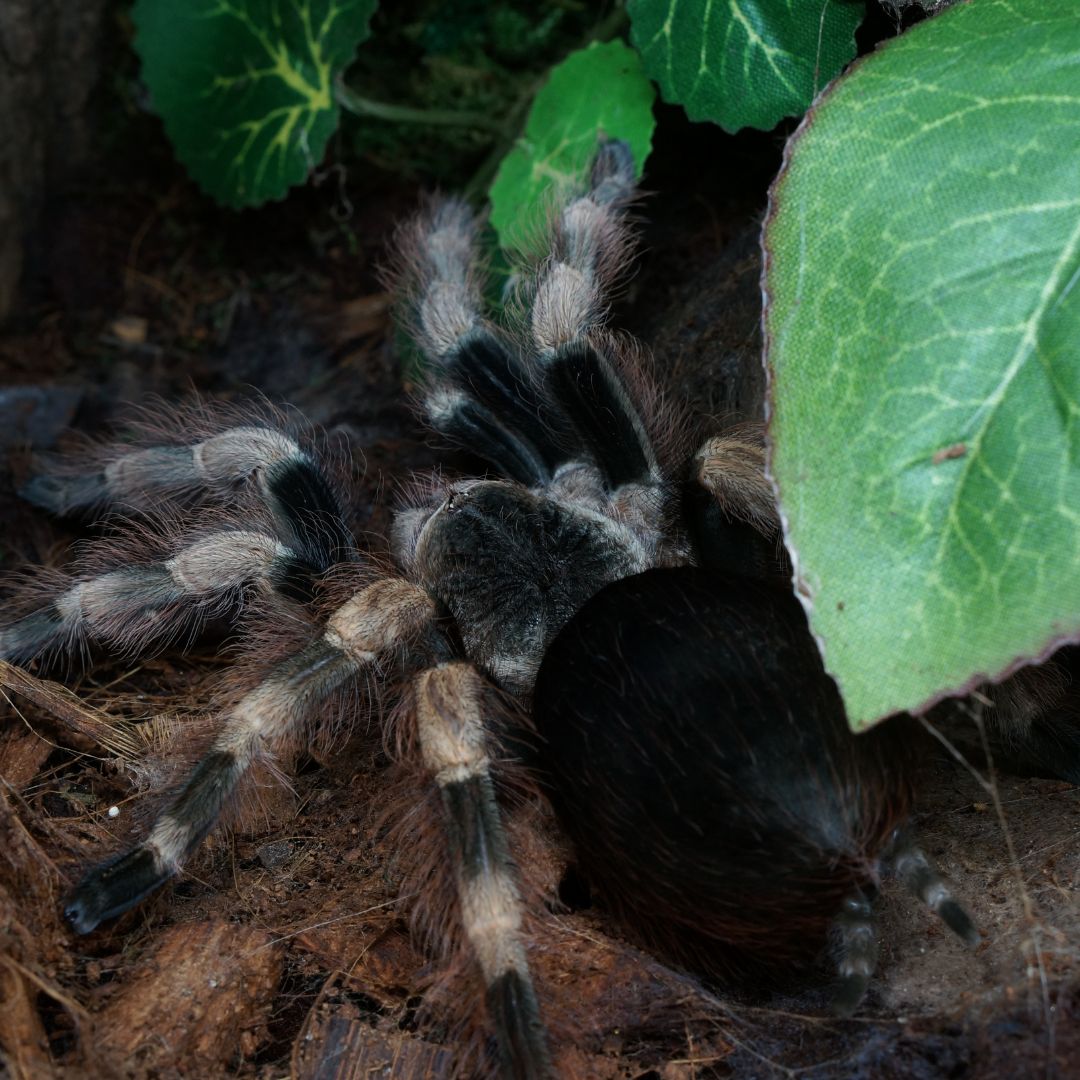
If striking patterns, bold colours and impressive size are what you look for in a tarantula, the Brazilian Black & White Tarantula is a spectacular addition to any collection. Nhandu coloratovillosus is a large, fast-growing New World terrestrial species, admired for its contrasting black legs with crisp white bands and its dark abdomen covered in long, reddish-brown hairs. Its fluffy appearance and dramatic markings make it a standout species as it matures.
Native to South America, particularly Brazil, this species is known for its enthusiastic feeding response and active behaviour. Although it can be rewarding to keep, it is not always a docile display spider. Brazilian Black & White Tarantulas can be nervous, fast-moving and defensive when disturbed, frequently using urticating hairs as their first line of defence. They are best suited to keepers who are comfortable observing their tarantulas without handling them.
With appropriate housing, good ventilation and consistent husbandry, this impressive species can become a striking long-term resident in your collection.
Why keepers love Nhandu coloratovillosus
-
Bold black-and-white markings that become increasingly impressive as the spider grows
-
Fast growth rate compared with many other popular terrestrial tarantulas
-
Strong feeding response that makes feeding time exciting to observe
-
Impressive adult size, reaching approximately 15–18 cm in leg span
-
Active terrestrial behaviour, with plenty of opportunity to observe its natural movements and burrowing instincts
-
Long-lived females, offering the potential for many years of enjoyment
Care Summary – Brazilian Black & White (Nhandu coloratovillosus)
Difficulty Level
Beginner–Intermediate. Its basic husbandry is manageable, but its speed, defensive tendencies and urticating hairs mean that calm, confident, hands-off care is recommended.
Adult Size
Approximately 15–18 cm (6–7 inches) leg span.
Enclosure Type
Terrestrial.
Provide a secure enclosure with generous floor space, a suitable ground-level hide and sufficient substrate for burrowing. Keep the enclosure height relatively low to minimise the risk of injury from falls.
Substrate
Approximately 8–12 cm of suitable substrate for juveniles and more for larger specimens, depending on enclosure depth and the spider's size.
Use coconut fibre, pesticide-free organic topsoil or a suitable combination of both. The substrate should be well-draining, with the surface generally kept dry and the lower layers allowed to retain slight moisture where appropriate. Avoid waterlogged conditions.
Temperature
Approximately 22–26°C (72–79°F).
A stable room temperature within this range is generally suitable. Avoid sudden temperature fluctuations, direct sunlight and excessive heat.
Humidity
Moderate moisture with good ventilation is preferable to a constantly damp enclosure. Provide access to fresh water and maintain an appropriate moisture gradient in the substrate rather than relying on frequent misting or a fixed humidity percentage.
Decor & Setup
-
Cork bark hide or a suitable ground-level retreat
-
Deep substrate to support burrowing behaviour
-
Shallow water dish once the spider is large enough to use one safely
-
Minimal, secure décor that cannot collapse or injure the spider
-
Good cross-ventilation to prevent stagnant, overly damp conditions
Allow enough open floor space for the spider to move around comfortably.
Feeding
-
Suitable live feeder insects, such as appropriately sized crickets and roaches
-
Slings: offer small prey approximately 2–3 times per week, adjusting to appetite and body condition
-
Juveniles: generally feed around once or twice per week, as appropriate
-
Adults: often feed every 7–10 days, depending on prey size, appetite and body condition
Remove uneaten live prey, particularly when the spider is in premoult or moulting. Always provide access to fresh water appropriate to the spider's size.
Temperament & Handling
Can be nervous, skittish, fast-moving and defensive. This species is known to flick urticating hairs when threatened, which can cause significant skin and eye irritation. It may also bite if provoked.
Handling is not recommended. Use appropriate tools and a catch cup when enclosure maintenance or transfers are necessary, and avoid disturbing the spider unnecessarily.
Lifespan
-
Females: approximately 12–18 years, sometimes varying with individual circumstances
-
Males: approximately 3–5 years, with lifespan depending on growth and maturation
Females generally live considerably longer than males, making sex an important consideration when planning for a long-term tarantula collection.
Please note: Tarantulas are individual animals, and growth rates, adult size, feeding responses and temperament may vary. As a sling, your Brazilian Black & White Tarantula will develop its distinctive adult pattern as it grows and moults.
Photo credit: Sebastian Szmigielski, CC BY-SA 4.0, Wikimedia Commons.
Share