
Pawsome Pals
Grammostola rosea - Chilean Rose Hair (Sling)
Grammostola rosea - Chilean Rose Hair (Sling)
Couldn't load pickup availability
Grammostola rosea — Chilean Rose Hair (Sling)
A Timeless Favourite and One of the Best Beginner Tarantulas
The Chilean Rose Hair Sling is one of the most well-known and beloved tarantulas in the hobby. For decades, Grammostola rosea has been the species that introduced countless keepers to the fascinating world of tarantulas, thanks to its hardy nature, calm temperament, and beautiful rose-gold colouration.
Easy to care for and exceptionally long-lived, this species is perfect for beginners while remaining a staple in even the most experienced collections.
Why You'll Want This Species
-
One of the most beginner-friendly tarantulas available
-
Beautiful rose, copper, and pink tones that shimmer under light
-
Hardy and forgiving care requirements
-
Long lifespan, especially in females
-
Calm temperament and easy maintenance
-
A classic species that never goes out of style
Quick Facts
-
Scientific Name: Grammostola rosea
-
Common Name: Chilean Rose Hair
-
Origin: Chile, Bolivia, and Argentina
-
Adult Size: Approximately 12–15 cm leg span
-
Temperament: Calm, docile, and slow-moving
-
Lifespan:
-
Females: 20–25 years or more
-
Males: 4–6 years
-
Appearance
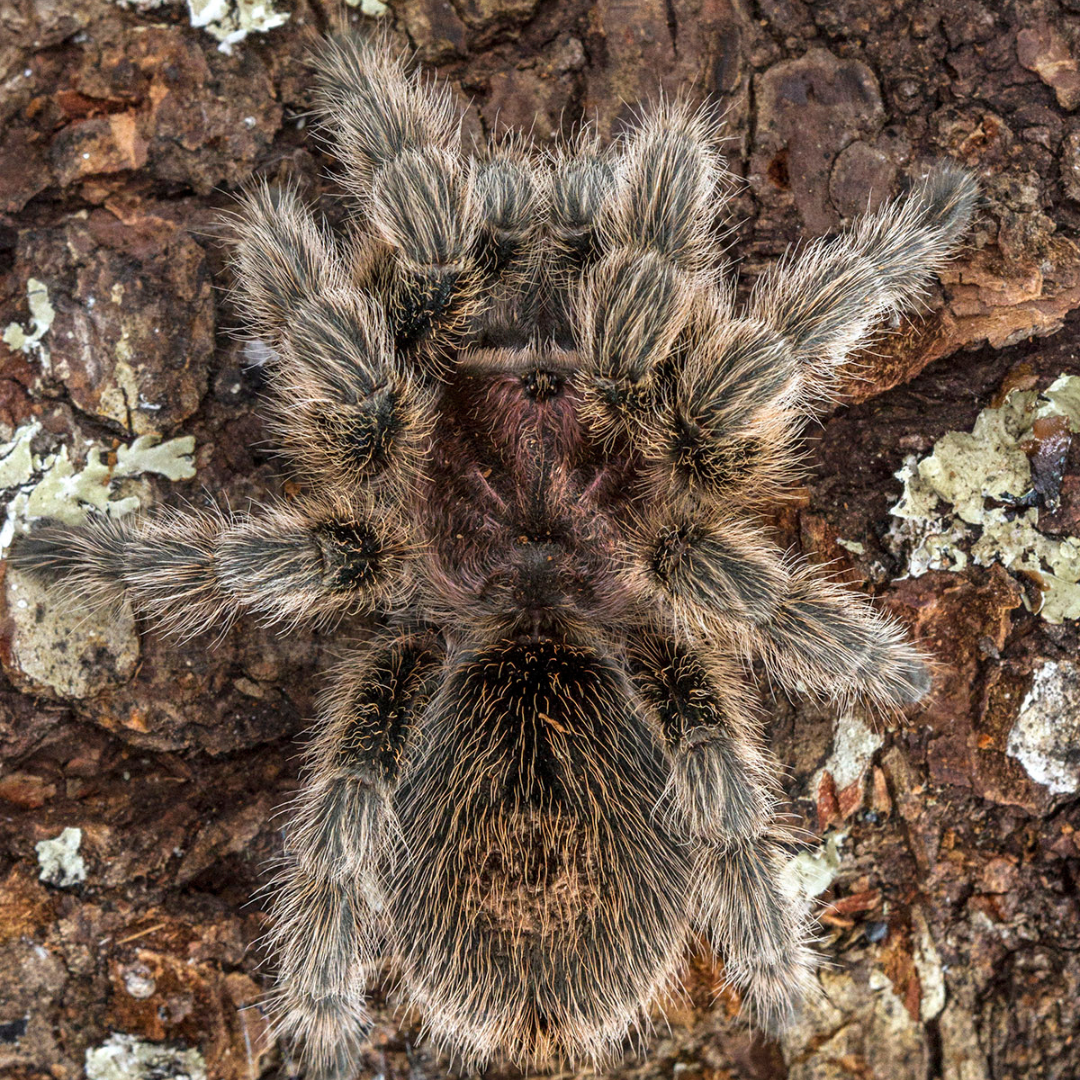
The Chilean Rose Hair is famous for its beautiful colouration:
-
Dark brown to charcoal body
-
Rose, copper, or pink highlights on the carapace and hairs
-
Soft metallic sheen under natural light
-
Thick, sturdy build typical of terrestrial tarantulas
Each specimen can display slightly different shades, making every spider unique.
Enclosure & Setup Guide (By Life Stage)
Sling
-
Enclosure: Small sling vial or enclosure
-
Substrate Depth: 3–5 cm
-
Setup: Small hide and good ventilation
-
Tip: Keep substrate mostly dry with slight moisture in one corner
Juvenile
-
Enclosure: Small terrestrial enclosure
-
Substrate Depth: 5–8 cm
-
Setup: Cork bark hide and shallow water dish
Sub-Adult
-
Enclosure: Medium terrestrial enclosure
-
Substrate Depth: 8–12 cm
-
Setup: Hide, water dish, and optional décor
Adult
-
Enclosure: Terrestrial setup with more floor space than height
-
Substrate Depth: 10–15 cm
-
Setup Essentials:
-
Hide
-
Water dish
-
Stable, dry environment
-
Ideal Conditions:
-
Temperature: 22–26°C
-
Humidity: 50–65%
-
Lighting: Low to moderate
-
Ventilation: Good airflow
This species generally prefers drier conditions than many tropical tarantulas.
Feeding Guide
Diet:
Crickets, roaches, mealworms, and other appropriately sized feeder insects.
Feeding Schedule:
-
Slings: 2–3 times per week
-
Juveniles: Once per week
-
Sub-adults: Every 7–10 days
-
Adults: Every 10–14 days
One of the quirks of this species is that it may occasionally fast for extended periods, which is completely normal.
Behaviour & Handling
-
Calm and slow-moving
-
Rarely defensive
-
May flick urticating hairs if disturbed
-
Often spends time sitting in the open
While generally considered one of the more manageable tarantulas, handling should always be kept to a minimum for the safety of the spider.
Important Considerations
-
Venom: Mild (New World species)
-
Visibility: High — often seen out in the open
-
Growth Rate: Slow to moderate
-
Difficulty Level: Beginner
This species is widely regarded as one of the best first tarantulas due to its forgiving nature and straightforward care requirements.
Why Start With a Sling?
Starting with a sling allows you to:
-
Watch its beautiful rose colouration develop over time
-
Experience every stage of its growth journey
-
Build confidence with one of the easiest tarantulas to keep
-
Raise a long-lived companion from the very beginning
Ready to Start Your Tarantula Journey?
The Chilean Rose Hair Sling is the perfect combination of beauty, hardiness, and ease of care. Whether you're purchasing your very first tarantula or adding a proven classic to your collection, this species remains one of the most rewarding tarantulas in the hobby.
Secure yours today and discover why the Chilean Rose Hair has been a favourite among tarantula keepers for generations.
Photo credit: Insects Unlocked, CC BY 2.0 via Wikimedia Commons
Share