
Pawsome Pals
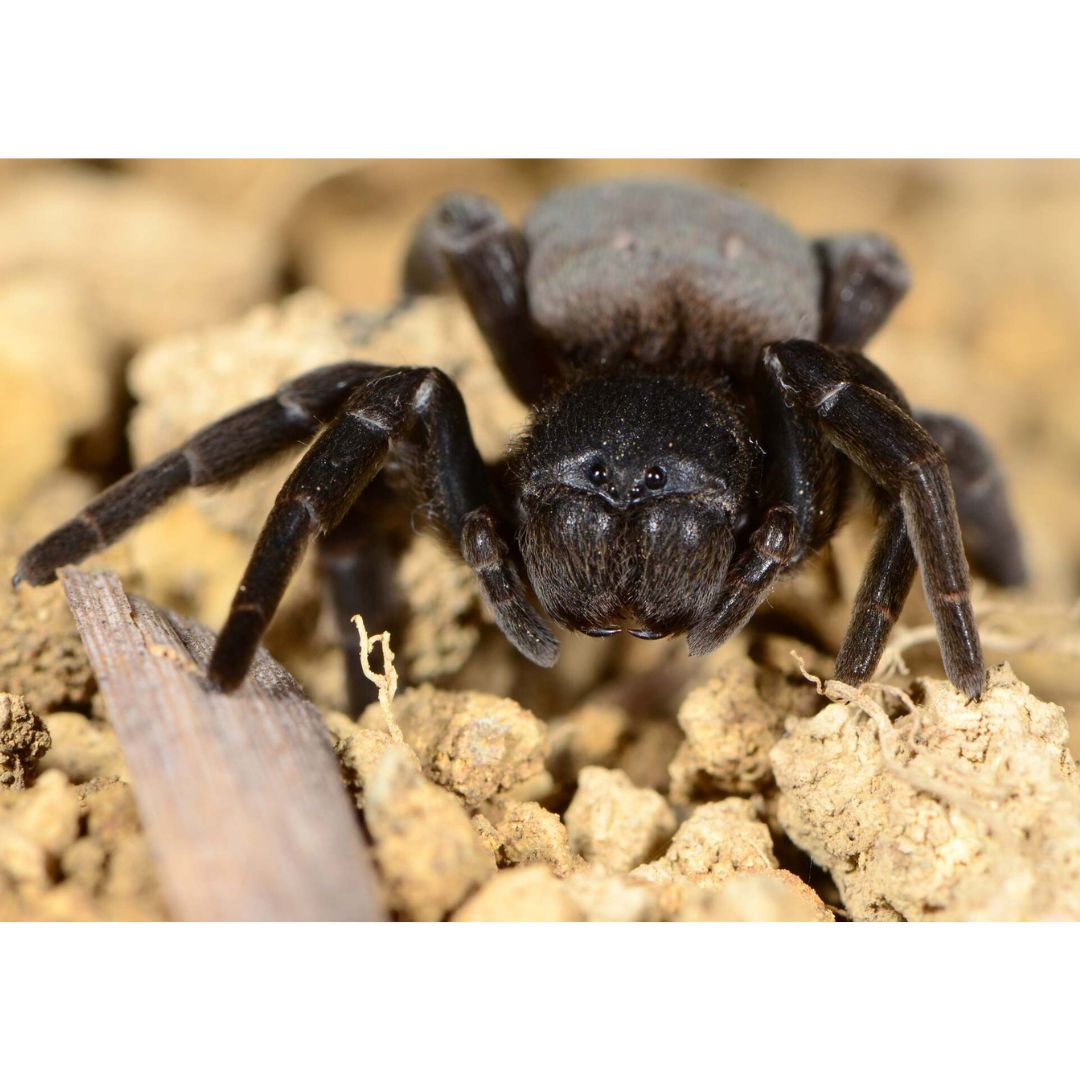
Gandanameno sp - Tree velvet spider (Sling)
Gandanameno sp - Tree velvet spider (Sling)
Couldn't load pickup availability
Gandanameno sp – Tree Velvet Spider Tarantula
Bold, striking, and uniquely textured, the Gandanameno sp (Tree Velvet Spider Tarantula) is a standout terrestrial species for collectors who love hardy, display-friendly spiders. With its dense, velvety hairs, rich earth-toned colouration, and impressive size, this tarantula offers both visual appeal and personality, making it a must-have for serious hobbyists and intermediate keepers.
Native to Southern Africa, Gandanameno sp is known for its calm yet observant temperament, making it easier to keep in a display tank than more skittish species. Its slow, deliberate movements and earthy tones give it a commanding presence, perfect for those who appreciate a large, terrestrial tarantula that's both hardy and captivating.
Whether you're searching for a collectable African tarantula, a terrestrial display species, or a low-maintenance, visually appealing spider, the Tree Velvet Spider delivers elegance, reliability, and charm. Its combination of size, texture, and subtle colour patterns ensures it will be a conversation starter in any collection.
Add the Gandanameno sp – Tree Velvet Spider to your collection today and enjoy a hardy, beautiful, and truly distinctive tarantula in your display.
Care Summary - Read Carefully!
Housing & Environment
-
Enclosure Type: Terrestrial, reclusive setup
-
Substrate: Very thin layer (≈1 cm) of completely dry substrate; no moisture
- Substrate: Thin layer (1 - 2cm) of completely dry Chilean moss; no moisture
-
Decor: Two pieces of natural bark arranged to form a narrow, dark crevice for hiding
-
Lighting: Keep shaded — exposure stresses the spider and can be fatal
-
Special Notes: Do not mist. Velvet spiders get all their moisture from food. Do not add water bowls.
Temperature
-
Optimal Range: Room temperature is ideal (≈20–25°C)
-
Winter Care: Tolerates cooler temps down to 10°C; avoid frost or sudden drops
Feeding
-
Juveniles: Feed 1–2× per week with small prey (~0.5 cm), pre-killed if desired
-
Adults: Feed once weekly
-
Placement: Place prey at the entrance of the bark crevice/funnel; remove if uneaten after 24 h
-
Caution: Avoid overfeeding large prey — spiders store carcasses in their web, attracting mites
Temperament & Behavior
-
Extremely shy and reclusive; will stress if exposed to light for long periods
-
Prefers tight, dark hiding spaces; survival depends on a secure environment
-
Observation is best from outside the crevice; handling is not recommended
Experience Level
-
Best for experienced keepers or intermediate hobbyists familiar with shy, fossorial species
Key Points
-
Do Not Mist — moisture is lethal
-
Provide tight, dark hiding spaces
-
Ensure a small layer of dry substrate and dry moss
-
Feeding: small prey for juveniles; careful weekly feeding for adults
-
Patience is required — these spiders rarely leave their hide, but are rewarding for observation
Photo credit: Peter Webb - attribution via Wikimedia Commons
Share