

Pawsome Pals
Brachypelma boehmei - Mexican Fire Leg Tarantula (Sling)
Brachypelma boehmei - Mexican Fire Leg Tarantula (Sling)
Couldn't load pickup availability
Mexican Fire Leg Tarantula (Brachypelma boehmei)
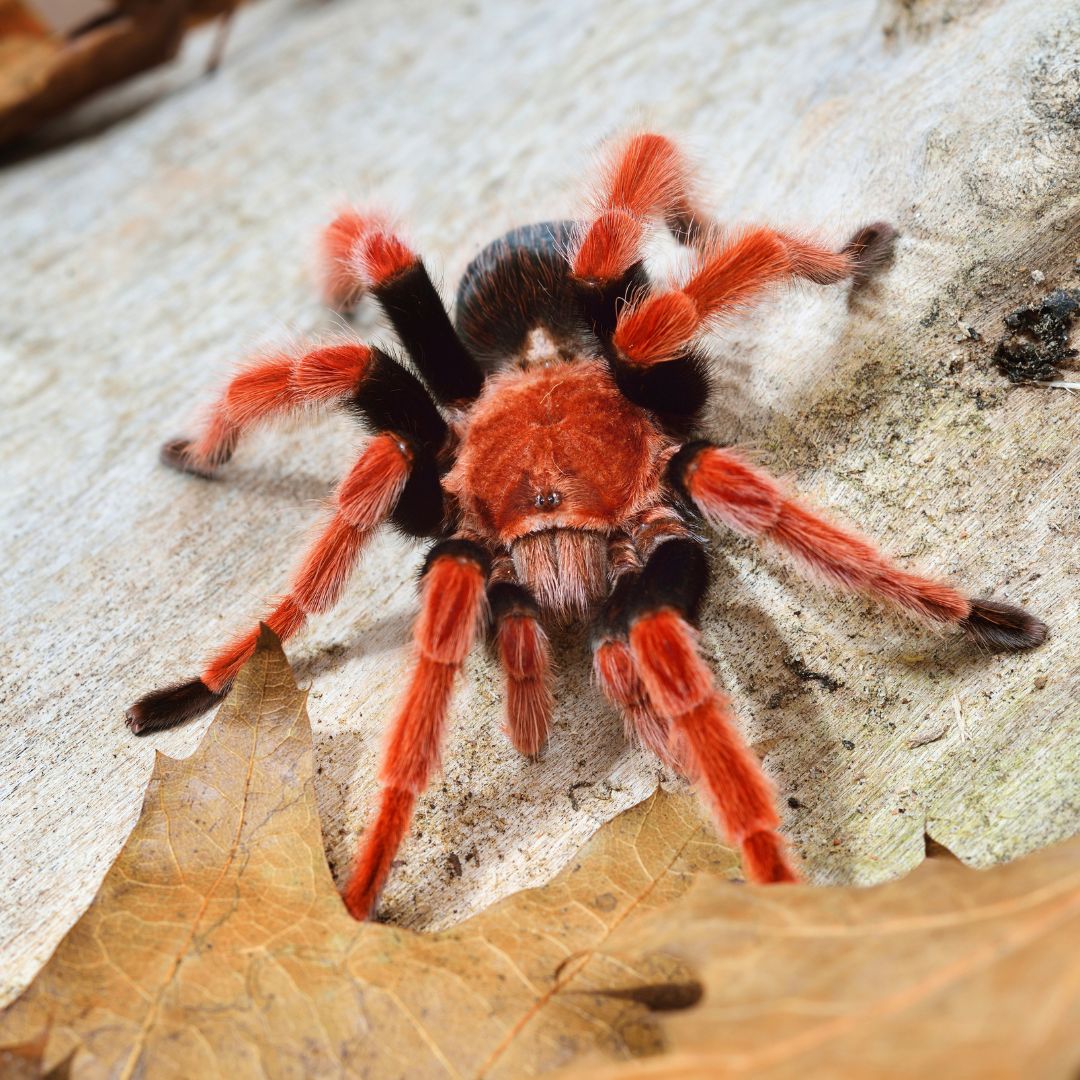
If bold colour is what grabs you, the Mexican Fire Leg Tarantula delivers spectacularly. Brachypelma boehmei is one of the hobby's most iconic terrestrial species, prized for its intense red-orange legs, deep black contrast, and calm, deliberate presence. This tarantula looks painted—designed to be admired.
Native to Mexico, this species is hardy, long-lived, and low maintenance, making it a favourite among both beginners and seasoned collectors who want a reliable display spider. While juveniles can be a bit skittish, adults are typically composed and confident, often sitting out in the open when provided with a secure, simple enclosure. The trade-off for that beauty? Like many Brachypelma, it prefers to defend itself by kicking urticating hairs rather than fleeing or biting, so it's best appreciated from a distance.
With its slow growth rate, B. boehmei is a long-term investment—but one that pays off with decades of stunning colour and predictable behaviour. Females can live well over 20 years, making this a true cornerstone species in any serious tarantula collection.
Why keepers love Brachypelma boehmei
• Striking fire-red legs with jet-black contrast
• Calm temperament and classic Brachypelma personality
• Extremely hardy and forgiving of simple setups
• Often visible—excellent for display and photography
• Long lifespan and iconic status in the hobby
Care Summary – Mexican Fire Leg (Brachypelma boehmei)
Difficulty Level
Beginner–Intermediate (ideal for keepers who don't plan to handle)
Adult Size
5.5–6 inches (14–15 cm) leg span
Enclosure Type
Terrestrial
Provide good floor space with a simple, secure layout
Substrate
4–5 inches of mostly dry substrate
(Coco fibre/topsoil mix)
Temperature
22–25°C (72–78°F)
Humidity
60–70%
Keep conditions on the drier side with a water dish
Decor & Setup
• Cork bark hide or half log
• Shallow water dish
• Minimal clutter — prefers open space
• Often sits out in the open when it feels secure
Feeding
• Crickets, roaches, mealworms
• Slings: 2–3× per week
• Juveniles: Weekly
• Adults: Every 10–14 days
Consistent feeder, not overly aggressive
Temperament & Handling
Calm and generally non-aggressive
Frequently kicks urticating hairs when disturbed
Handling not recommended
Lifespan
Females: 20–25+ years
Males: ~5–6 years
Keeper Notes
• Slow-growing but extremely long-lived
• Stunning colouration makes it a top-tier display species
• Juveniles may be more skittish than adults
• Avoid over-misting — prefers dry conditions with ventilation
Add this fiery classic to your collection today and enjoy one of the most visually striking tarantulas in the hobby.
Share