
Pawsome Pals
Avicularia lynnae - West Black Stripe Pink Toe (Sling)
Avicularia lynnae - West Black Stripe Pink Toe (Sling)
Couldn't load pickup availability
Avicularia lynnae — West Black Stripe Pink Toe (Sling)
A Classic Pink Toe with a Distinctive Twist
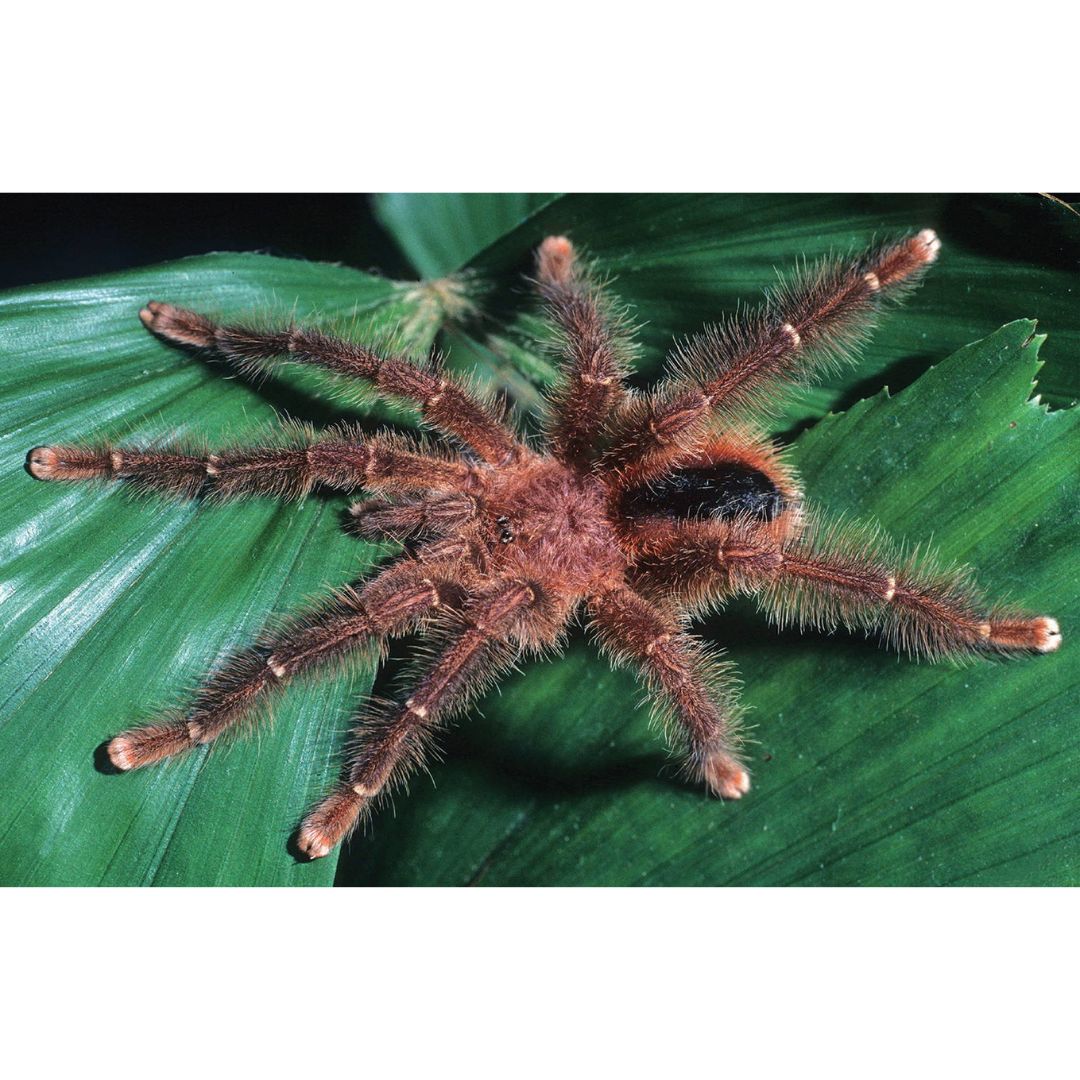
The West Black Stripe Pink Toe Sling is a beautiful arboreal tarantula that combines the gentle nature of pink toes with a more distinctive look — subtle dark striping and contrasting pink feet.
Avicularia lynnae is well known for being beginner-friendly, visually appealing, and more visible than many other species, making it an excellent choice for keepers who enjoy both aesthetics and activity.
Why You'll Want This Species
-
Attractive pink toes with darker striping detail
-
Arboreal species that are often visible
-
Generally calm and beginner-friendly
-
Builds webbed retreats that are interesting to observe
-
A great introduction to arboreal tarantula care
Quick Facts
-
Scientific Name: Avicularia lynnae
-
Common Name: West Black Stripe Pink Toe
-
Origin: South America (Amazonian regions)
-
Adult Size: ±10–13 cm leg span
-
Temperament: Calm, gentle, occasionally skittish
-
Lifespan:
-
Females: ±8–10 years
-
Males: ±2–3 years
-
Appearance
-
Dark brown to black body with subtle striping
-
Characteristic pink-tipped feet
-
Slight iridescent sheen under light
This species offers a refined take on the classic pink-toe look, with added contrast and detail.
Enclosure & Setup Guide (By Life Stage)
Sling
-
Enclosure: Small arboreal sling enclosure or vial with height
-
Substrate Depth: 2–4 cm (lightly moist)
-
Setup: Vertical anchor points (twigs, cork bark)
-
Tip: Cross ventilation is essential for sling health
Juvenile
-
Enclosure: Small arboreal enclosure
-
Substrate Depth: 3–6 cm
-
Setup: Cork bark tube, foliage, webbing anchor points
Sub-Adult
-
Enclosure: Medium arboreal enclosure
-
Substrate Depth: 5–8 cm
-
Setup: Vertical hides, plants, water dish
Adult
-
Enclosure: Arboreal setup with height and strong ventilation
-
Substrate Depth: 5–10 cm
-
Set up Essentials:
-
Cork bark or vertical retreat
-
Water dish
-
Ample anchor points for webbing
-
Ideal Conditions:
-
Temperature: 24–28°C
-
Humidity: 70–80% with good airflow
-
Lighting: Moderate to low
-
Ventilation: High (critical for arboreal species)
Feeding Guide
-
Diet: Crickets, roaches, flying insects
Feeding Schedule:
-
Slings: 2–3 times per week
-
Juveniles: Once per week
-
Sub-adults: Every 7–10 days
-
Adults: Every 10–14 days
This species is an active feeder and will often hunt within its webbing.
Behaviour & Handling
-
Generally calm and non-aggressive
-
Quick and capable of short bursts of speed
-
May jump if startled
-
Handling is not recommended, but temperament is manageable
A great option for keepers who want a visible, easygoing arboreal species.
Important Considerations
-
Venom: Mild (New World species)
-
Key Requirement: Excellent ventilation to prevent health issues
-
Visibility: Moderate to high
-
Experience Level: Beginner to intermediate
Why Start With a Sling?
Starting with a sling allows you to:
-
Watch its arboreal web-building behaviour develop
-
See its colour and patterning evolve over time
-
Gain confidence with arboreal species care
Ready to Add a Beautiful and Beginner-Friendly Arboreal Species to Your Collection?
The West Black Stripe Pink Toe Sling is perfect for keepers who want visibility, elegance, and ease of care in one species.
Secure yours today — a standout addition to any collection.
Photo credit: R.C. West, processing: P. Coxhead via Wikimedia Commons
Share