
Pawsome Pals
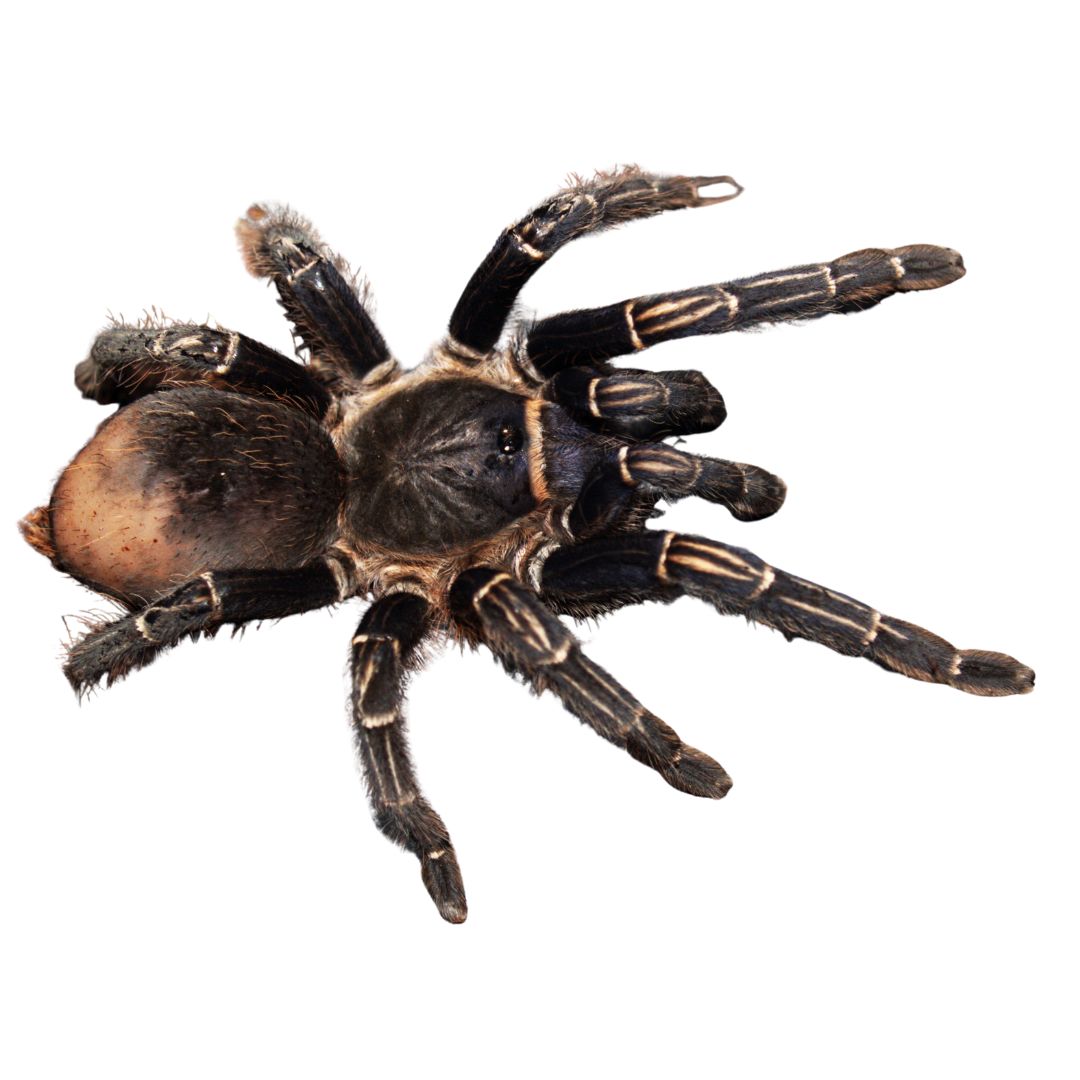
Aphonopelma seemanni - Costa Rican Zebra Tarantula (Sling)
Aphonopelma seemanni - Costa Rican Zebra Tarantula (Sling)
Couldn't load pickup availability
Aphonopelma seemanni (Costa Rican Zebra / Striped Knee Tarantula)
The Costa Rican Zebra Tarantula is a true hobby classic — calm, hardy, and beautifully marked with bold zebra stripes that never go out of style. If you love natural burrowing behaviour, long-lived species, and a tarantula that thrives with minimal fuss, Aphonopelma seemanni is an outstanding addition to your collection.
Native to Central America, this terrestrial species is known for its calm, collected temperament and impressive longevity. While not a constant "on-display" spider, it rewards patient keepers with fascinating underground tunnel systems and confident, steady feeding responses. Ideal for beginners stepping into serious keeping and experienced hobbyists alike.
With its striking black body, crisp white knee bands, and adaptable care requirements, the Costa Rican Zebra remains one of the most reliable and rewarding tarantulas in the hobby.
Experience Level
Beginner to Intermediate
Hardy and forgiving, but naturally shy and burrow-oriented
Enclosure Type
Terrestrial with deep substrate
Floor space plus depth is essential for natural burrowing behaviour
Adult Size
5–6 inches (12–15 cm) leg span
Substrate
5–6+ inches of moisture-retentive substrate
Coco fibre or soil mix, slightly moist at the bottom and drier on top
Temperature
70–78°F (21–26°C)
Humidity
65–75%
Keep lower substrate layers lightly moist; avoid waterlogged conditions
Décor & Setup
• Cork bark hide or half log
• Leaf litter or moss
• Water dish (always available)
• Allow space for natural burrow construction
Feeding
• Crickets, roaches, mealworms
• Slings: 2–3× per week
• Juveniles: Weekly
• Adults: Every 10–14 days
Steady, confident feeders when hungry
Temperament
Generally calm and non-defensive
Skittish and prone to retreating rather than threat posturing
Handling
Not recommended
Prefers minimal disturbance and may bolt if startled
Lifespan
Females: 20+ years
Males: 5–6 years
Special Notes
• A true burrower — visibility improves with security
• Very hardy and adaptable
• Excellent long-term species for patient keepers
• Avoid overly dry or constantly soaked substrate
Add this hardy, long-lived burrower to your collection today and enjoy a timeless tarantula favourite.
Photo credit: Cerre, CC BY 3.0 <https://creativecommons.org/licenses/by/3.0>, via Wikimedia Commons
Share